


As a tenant in New South Wales (NSW), knowing your rights when it comes to urgent repairs can save you time, stress and money.
The Residential Tenancies Act 2010 outlines clear guidelines for what constitutes an urgent repair and the responsibilities of both tenants and landlords.
Here’s a comprehensive guide to help you navigate this aspect of renting.
What Are Urgent Repairs?

Urgent repairs are issues that pose a risk to the safety, security or habitability of a rental property.
These repairs require immediate attention to prevent further damage or danger.
According to NSW tenancy laws, the following are considered urgent repairs:
- A gas leak
- A dangerous electrical fault
- Flooding or serious flood damage
- Serious storm or fire damage
- A failure or breakdown of the gas, electricity or water supply to the property;
- A failure or breakdown of any essential service for hot water, cooking, heating, cooling or laundering
- A burst water service
- A blocked or broken toilet
- A serious roof leak
- Faults or damage that make the property unsafe or insecure
- An appliance, fitting or fixture that uses water and is broken, causing substantial water wastage.
Smoke alarms are also considered urgent, but specific rules apply to their repair and maintenance.
Tenant Responsibilities
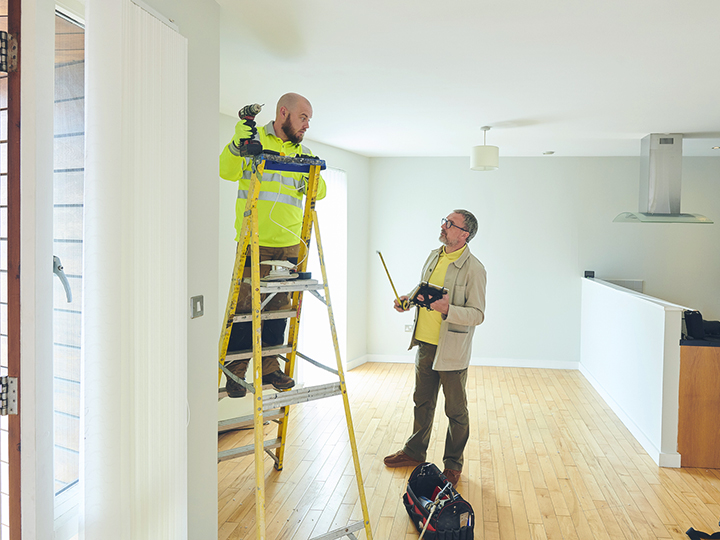
As a tenant, you are required to notify your landlord or Property Manager of any urgent repair needs as soon as possible.
This notification can be verbal or written, but having a written record is always advisable for documentation purposes.
If the landlord or agent cannot be contacted or fails to act promptly, you may arrange for the repairs yourself. However, there are conditions:
- Check your tenancy agreement for a list of approved or preferred tradespeople.
- Ensure the repair is carried out by a licensed professional.
- Keep all receipts and documentation related to the repair.
You can claim reimbursement for the cost of urgent repairs up to $1,000. The landlord or agent must reimburse you within 14 days of receiving your written notice and receipts.
Landlord Responsibilities

Landlords are legally obligated to ensure the property is safe, secure and habitable. This includes addressing urgent repairs promptly.
Failure to do so can result in penalties and may allow tenants to take further action, such as applying to the NSW Civil and Administrative Tribunal (NCAT) for orders to enforce repairs.
Steps to Handle Urgent Repairs
- Notify the Landlord or Agent: Inform them immediately about the issue. Provide details and, if possible, photographic evidence. You can do this within the PropertyMe app.
- Follow Up: If you don’t receive a response, follow up in writing to create a paper trail.
- Check Your Lease: Look for details of approved tradespeople for urgent repairs. Often your lease will be saved under Documents within the PropertyMe app.
- Arrange Repairs: If the landlord or agent is unresponsive, hire a licensed tradesperson to fix the issue.
- Keep Records: Save all correspondence, receipts and evidence of the repair.
- Seek Reimbursement: Submit your claim for reimbursement to the landlord or agent.
What If the Landlord Refuses to Act?
If your landlord refuses to address urgent repairs, you have a few options:
- Contact NSW Fair Trading for advice and assistance.
- Lodge a complaint with the Tenants’ Union of NSW or a similar advocacy group.
- Apply to NCAT for an order requiring the landlord to carry out the repairs.
Non-Urgent Repairs

It’s important to differentiate between urgent and non-urgent repairs. Non-urgent repairs are issues that do not pose an immediate risk but still need to be addressed to maintain the property’s condition.
Examples include a broken cupboard or a cracked window. For non-urgent repairs, tenants should follow the standard procedure of notifying the landlord or agent in writing and allowing a reasonable time for the issue to be resolved.
Tips for Tenants
- Document Everything: Keep records of all communications, receipts and evidence related to the repair.
- Know Your Rights: Familiarize yourself with the Residential Tenancies Act 2010 and your tenancy agreement.
- Seek Help: If you’re unsure about your rights or the process, reach out to Fair Trading NSW.
Final Thoughts
Understanding your rights and responsibilities regarding urgent repairs can make a significant difference in your renting experience.
By acting promptly and following the correct procedures, you can ensure that urgent issues are resolved efficiently, keeping your home safe and comfortable.
For more detailed information, you can visit the NSW Government’s official page on urgent repairs or consult the Tenants’ Union of NSW.