February 5th, 2026
Buying houses in Perth now means a $1 million median price
Market insights

Market insights


The property experience is looking very different for buyers and renters. Buyers are finding more to choose from. Renters are still fighting over the same tight pool of available homes.
Nationally, the vacancy rate sat at 1.2% in May, no change from April or a year ago, according to SQM Research. Some capitals saw more rental listings come through, but this is due to a seasonal pattern affecting demand and supply.
The knock-on effect is rents that keep rising. Australians are now paying an average of $700 a week to rent, or $797 in the capitals, up by 7.8% over the past 12 months. Not a single capital city has vacancy rate above 2%, and five are still under 1%. Let’s take a closer look at each capital city.
Sydney’s vacancy rate rose from 1.3% to 1.5% in May. With the number of vacancies at 10,820, Sydney has the highest number of available homes for rent.
Combined house and unit rents eased by 0.1% in the 30 days to 12 June but landlords still saw average rents surge by 7.6% in the past 12 months, to $919 per week.
Melbourne’s vacancy rate increased slightly to 1.6% in April. While Melbourne remains the most balanced rental market among the major capitals, there were fewer available rental homes compared to a year ago.
Rental prices continued to climb, with combined weekly rents increasing by 0.8% over the month to $694.
The vacancy rate in Brisbane’s rental market inched up marginally from 0.8% to 0.9%.
While vacancy rates have edged higher from the record lows seen earlier in the cycle, Brisbane’s rental market remains highly competitive. Strong demand still drove rental growth, with combined weekly rents up by 0.8% in the past month to $746.
While Perth’s vacancy rate increased from 0.6% to 0.7%, supply still remains extremely limited relative to demand.
Rental prices reflected those tight conditions, with combined rents rising by 1.0% over the month to $809 per week. This makes Perth the second most expensive capital city to rent, sitting just behind Sydney.
Adelaide’s vacancy rate held at 0.7% in May with supply still struggling to keep pace with demand.
Combined weekly rents increased by 0.1% over the month and 4.9% annually to $642. When looking at annual performance, unit rents (+6.2%) continued to outperform houses (+4.3%), highlighting ongoing demand for more affordable rental options.
Canberra’s rental market saw an increase in available homes, with vacancy rates rising from 1.4% to 1.6%.
Despite the increase, rents still went up to $705 per week. Combined rents rose by 0.1% during the month and 4.5% over the year, suggesting rental demand remains relatively stable across the nation’s capital.
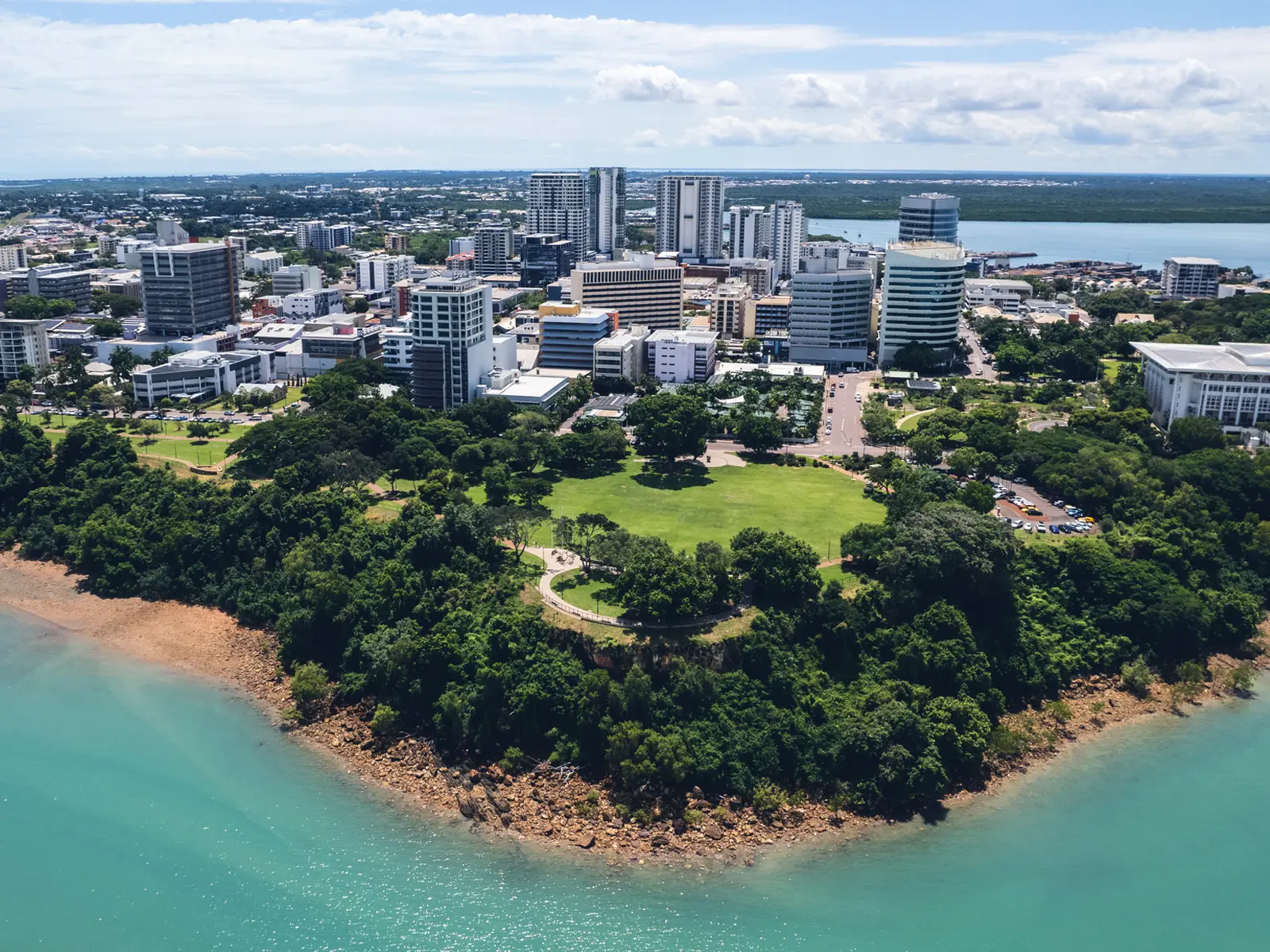
Darwin once again recorded the lowest vacancy rate in the country, holding steady at just 0.3% in May. With only 75 rental properties available, the city’s rental market remains exceptionally tight for renters.
Strong competition for a small pool of homes is contributing to rising rents. Combined weekly rents surged by 5.1% during the month and 14.0% over the year to $721, making Darwin the strongest-performing rental market nationally for both monthly and annual rental growth.
Hobart’s vacancy rate increased slightly from 0.5% to 0.6%, although rental supply remains among the most constrained in Australia. Only 161 properties were available for rent during May.
While combined rents fell slightly by -0.1% to $612 per week, the market recorded 12.3% rental growth compared to a year ago.